How to Keep Track of Abbotsford's Waste and Recycling Collection Schedule

What You'll Learn About Managing Your Household Waste in Abbotsford
This guide covers everything Abbotsford residents need to know about sorting garbage, recycling, and organic waste — plus how to stay on top of collection days without missing a pickup. Whether you're new to the city or you've lived here for years, understanding Abbotsford's waste management system saves you from the frustration of carts sitting at the curb full for another week.
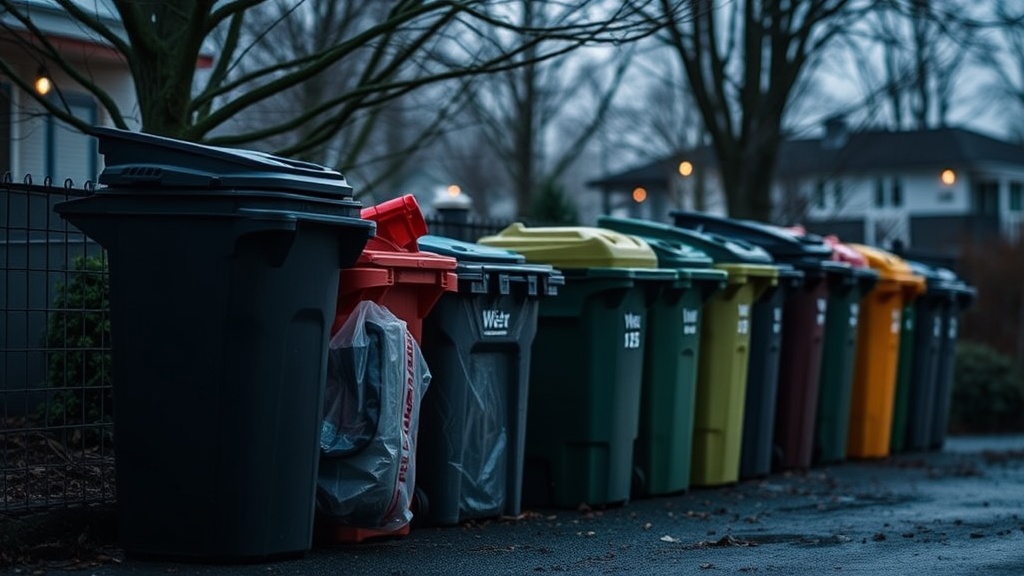
Abbotsford uses an automated cart collection system across most residential neighbourhoods, with different bins for garbage (black cart), recycling (blue cart), and organics (green cart). The challenge? Collection schedules vary by zone — and they shift around statutory holidays. Here's how to stay organized and ensure your waste actually gets picked up.
How Do I Find My Specific Collection Zone in Abbotsford?
The City of Abbotsford divides residential areas into collection zones, each with its own schedule. Your zone determines which day of the week your carts get emptied — and not all three carts go out every week.
Start by visiting the City of Abbotsford's Garbage and Recycling page. Enter your address into the collection schedule lookup tool. The system will display your zone letter (A through G) and your assigned collection day. Bookmark this page — you'll want to check it when holiday schedules throw off the regular rotation.
Here's how the typical weekly rotation works in Abbotsford: garbage carts get collected every other week, while recycling and organics alternate weeks. Your green cart (organics) might go out on week one, your blue cart (recycling) on week two, and your black cart (garbage) on week two as well — but again, this varies by zone. The city's online tool generates a personalized calendar you can print or sync to your phone.
Pro tip from long-time Abbotsford residents: set a phone reminder for Sunday evenings. Check which carts need to go out Monday morning — because once the trucks pass your street, you're stuck with that waste until the next collection cycle.
What Goes in Each Cart? Abbotsford's Sorting Rules Explained
Improper sorting is the main reason carts get left behind. Abbotsford's waste program follows provincial regulations, and the city's contracted crews inspect carts before emptying them. Contaminated loads — like plastic bags in the blue cart or food waste in the garbage — can result in rejection stickers and missed pickups.
Your blue cart (recycling) accepts paper, cardboard, metal cans, and hard plastics with recycling symbols 1 through 7. Flatten cardboard boxes — they take up less space and won't jam the automated lifting mechanisms. Don't bag your recyclables in plastic; toss them loose into the cart. Plastic bags wrap around sorting equipment at the processing facility and cause costly shutdowns.
The green cart (organics) handles food scraps, food-soiled paper, and yard trimmings. Abbotsford's organics program accepts meat, bones, dairy, and cooked food — items that don't belong in backyard composters. Use paper bags or certified compostable liners (look for the BPI or ASTM D6400 symbols) to keep your cart cleaner. Never use regular plastic bags, even biodegradable ones — they contaminate the compost.
Your black cart (garbage) is for what's left: non-recyclable packaging, hygiene products, pet waste in plastic bags, and other household refuse. Abbotsford residents receive garbage collection every two weeks, so the 240-litre cart fills faster than you might expect. If you're consistently overflowing, consider whether more items could shift to recycling or organics — or look into additional disposal options for larger items.
How Do I Handle Large Items and Special Waste in Abbotsford?
Not everything fits in your carts. Mattresses, appliances, furniture, and electronic waste require special handling — and dumping them beside your carts won't work. Abbotsford offers several legitimate disposal paths that keep our community clean and avoid illegal dumping fines.
For bulky items, the City of Abbotsford's oversized item collection program allows residents to schedule pickups for large household goods. There's typically a fee per item, and you'll need to book in advance through the city's website. Alternatively, the Abbotsford Eco Depot accepts drop-offs of appliances, electronics, and other recyclables that don't belong in curbside carts.
Electronic waste — old computers, TVs, printers — can also go to several retail locations in Abbotsford that participate in the Return-It Electronics program. The Return-It Depot on Marshall Road and other authorized collectors accept these items free of charge. You're legally required to recycle electronic waste in British Columbia rather than tossing it in the garbage.
Hazardous waste like paint, motor oil, batteries, and pesticides requires special handling. Abbotsford hosts periodic hazardous waste collection events, or you can drop materials at designated facilities in the Fraser Valley region. Never pour chemicals down drains or bury them on your property — Abbotsford's aquifer and waterways are too valuable to risk contamination.
What Happens to My Waste After Collection in Abbotsford?
Understanding where your waste ends up might motivate better sorting habits. Abbotsford's recycling travels to material recovery facilities where it's sorted, baled, and sold to manufacturers. Contaminated loads — those plastic bags we mentioned — often get rejected and diverted to landfills instead.
Your organic waste goes to composting facilities in the region, where it breaks down into nutrient-rich soil amendments. This compost returns to local farms and landscaping projects, completing a circular loop that benefits Abbotsford's agricultural sector. Given that Abbotsford sits in the heart of the Fraser Valley's farming country, this connection matters — your banana peels might eventually nourish the blueberries grown just down the road.
Garbage heads to the Border Landfill, operated by the City of Abbotsford near the US border. This engineered landfill captures methane gas for energy production and monitors groundwater quality, but space is finite. Every item you divert to recycling or organics extends the landfill's lifespan and reduces environmental impact on our local ecosystem.
How Can I Stay Updated on Collection Changes and Service Alerts?
Weather events, mechanical breakdowns, and statutory holidays disrupt collection schedules. Abbotsford's waste contractor posts service alerts on the city website and social media channels. Following the City of Abbotsford's social accounts keeps you informed about weather delays — particularly relevant during winter storms when snow and ice can prevent truck access to certain streets.
Download the Abbotsford Curbside Collection app (available for iOS and Android) for push notifications about your specific zone. The app includes your personalized schedule, reminders, and a waste wizard tool that tells you which cart accepts specific items. Type in "pizza box" and it'll tell you — green cart if greasy, blue cart if clean.
Winter brings additional considerations. When temperatures drop below freezing, keep your green cart in a garage or sheltered area until collection morning — otherwise food waste freezes to the bottom and won't empty properly. Place carts with wheels against the curb, handles facing your house, and maintain one meter of clearance on all sides from parked cars, mailboxes, and other obstacles. The automated trucks need that space to grip and lift your carts.
Living in Abbotsford means taking responsibility for how our community manages waste. The Fraser Valley's natural beauty — from Sumas Mountain to the agricultural lands surrounding our city — depends on residents making thoughtful disposal choices. Mastering your collection schedule takes maybe ten minutes of setup, but the payoff is a cleaner neighbourhood and a lighter environmental footprint for all of us who call Abbotsford home.