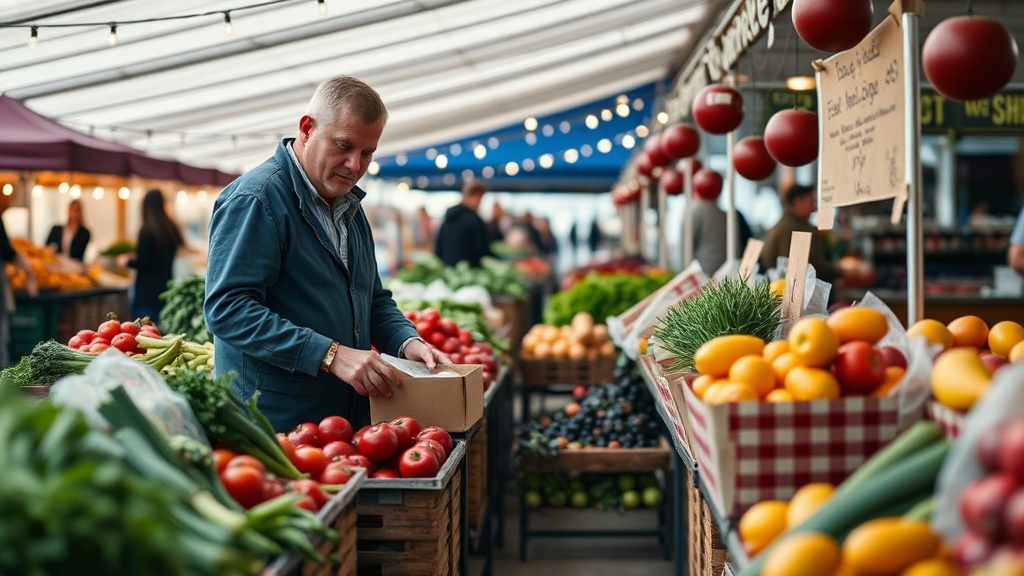
Navigating the Best Local Farmers Markets for Fresh Abbotsford Produce

Are you trying to figure out which local market has the best seasonal produce right now? This guide breaks down the top farmers markets in the Abbotsford area, when they operate, and what you can expect to find at each one. Shopping local isn't just about better flavor—it's about supporting our Fraser Valley growers directly.
Where is the best place to find fresh produce in Abbotsford?
The Abbotsford Farmers Market (specifically the one held at the Abbotsford Exhibition Park) is widely considered the premier destination for seasonal variety and large-scale vendor selection. While there are several smaller community markets, the Exhibition Park location offers the most consistent access to everything from organic berries to artisanal honey.
If you want a high-energy environment with a massive selection, this is your spot. It’s often crowded on Saturday mornings, but the variety of goods is worth the extra effort. You'll find much more than just vegetables here; it's a full-scale event.
What to look for at the Exhibition Park Market:
- Seasonal Berries: Depending on the month, you can snag fresh strawberries or blueberries from nearby farms.
- Artisanal Breads: Many local bakers bring sourdough and specialty loaves that sell out by noon.
- Farm-Fresh Eggs: These are often much fresher than the ones you find at the big-box grocery stores.
It's a good idea to arrive early if you're hunting for specific items like high-end pastries or certain cuts of meat. Once the popular vendors sell out, they usually don't restock until the next week.
What can I expect to buy at a local farmers market?
You can expect to find seasonal vegetables, organic fruits, handmade dairy products, and various artisanal goods like honey, jams, and fresh-baked bread. The inventory changes drastically based on the time of year—a phenomenon driven by the agricultural cycles in Canada.
In the spring, you'll see more greens and sprouts. By mid-summer, the market becomes a berry paradise. Fall brings the heavy hitters: pumpkins, squash, and root vegetables. It's a different experience every single month. (I personally love the fall markets because the squash varieties are much more interesting than the standard grocery store options.)
Here is a quick breakdown of what is typically available during different seasons in the Fraser Valley:
| Season | Primary Produce | Specialty Items |
|---|---|---|
| Spring | Asparagus, Radishes, Spinach | Microgreens, Herbal Teas |
| Summer | Berries, Tomatoes, Zucchini | Fresh Peach Jam, Honey |
| Fall | Squash, Pumpkins, Apples | Apple Cider, Root Vegetables |
| Winter | Root Vegetables, Hardy Greens | Preserves, Frozen Goods |
One thing to remember: local markets are highly seasonal. You won't find fresh strawberries in January. If you need a consistent supply of pantry staples, you might still need a grocery store, but for fresh, high-quality produce, the market is unbeatable.
How much does shopping at farmers markets cost?
Prices at local markets are generally higher than discount grocery stores because you are paying for quality and direct-to-consumer logistics. However, the value is often higher when you consider the shelf life and the nutritional density of the food.
Expect to pay a premium for organic or heirloom varieties. For instance, a pint of local raspberries might cost more than the ones from a mass-market retailer, but the flavor difference is night and day. It’s an investment in quality. If you're on a strict budget, look for the "end of season" sales where vendors might lower prices to clear out their remaining stock.
It's also helpful to check the Canadian Food Inspection Agency guidelines if you have specific questions about food safety and labeling standards, though most market vendors follow strict local regulations. Most vendors prefer cash or quick-tap debit/credit, so be prepared for that.
Pro-tips for saving money:
- Bring your own bags: Most vendors appreciate it, and it keeps you from buying plastic bags on the fly.
- Shop the perimeter: The freshest, most affordable produce is often right at the entrance or in the main aisles.
- Ask about "seconds": Some farmers sell "ugly" produce (perfectly edible but maybe slightly bruised or odd-shaped) at a significant discount.
If you find yourself craving something more than just produce, you might enjoy checking out some of the delicious bites at local food truck parks. Many market-goers grab a snack from a food truck or a coffee stand while they shop.
How do I prepare for a market day?
The best way to prepare is to make a list and bring insulated bags. Since many of these items are perishable, you don't want your berries sitting in a warm car while you run other errands.
I always keep a cooler in my trunk. It's a total game-changer for summer shopping. If you're buying meat or dairy, keeping them cold is a non-negotiable for food safety. Also, don't forget to bring a bit of extra cash or ensure your phone is charged for digital payments. While many vendors have moved to digital, some smaller booths might still rely on cash-only transactions.
If you're planning to visit a market for a social outing, consider pairing it with a trip to a local cafe. After you've secured your veggies, you can grab a great brew at a local coffee shop to finish your morning. It makes the whole experience feel less like a chore and more like a weekend ritual.
Make sure to check the weather before you head out. Most markets are outdoor-only, and while the Abbotsford area is beautiful, a sudden rain shower can change your plans quickly. If you're planning on a long morning of browsing, a lightweight, waterproof jacket is a smart addition to your kit.
One final tip: follow your favorite vendors on social media. Many of them post updates about their specific inventory or special deals on Instagram or Facebook. This helps you know exactly when the best seasonal items are hitting the stalls.
Steps
- 1
Check the Seasonal Calendar
- 2
Bring Reusable Bags
- 3
Arrive Early for Best Selection
- 4
Carry Small Bills and Cash