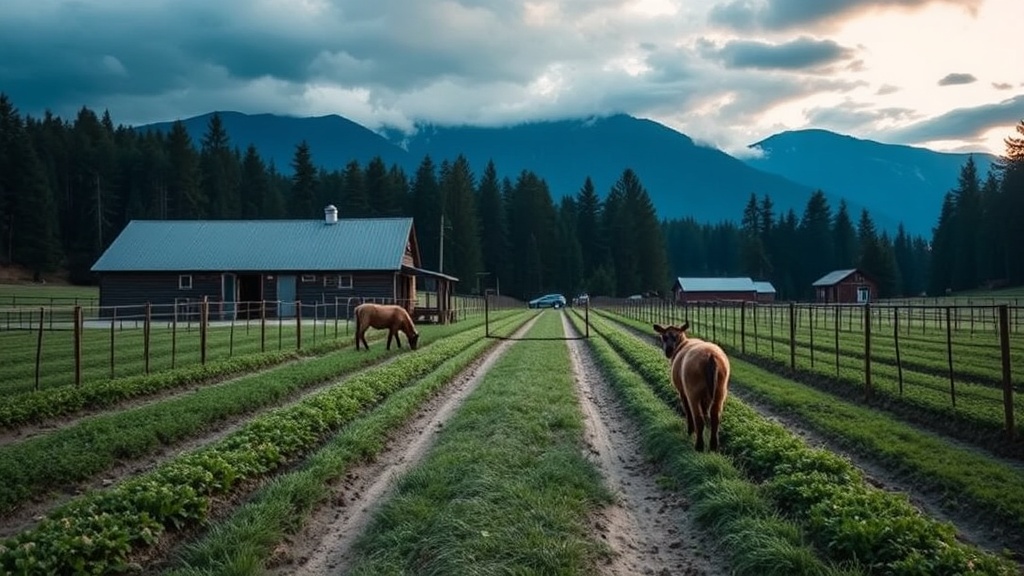
Planning a Successful Seasonal Farm Stay in Abbotsford

Did you know that nearly 40% of farm-to-table tourism revenue in Ontario comes from seasonal stays rather than just one-off produce purchases? This post explains how to plan a seasonal farm stay in the Abbotsford area, covering everything from booking the right accommodation to preparing for local weather shifts. You'll find advice on seasonal timing, what to pack, and how to respect the working farm environments found around the Fraser Valley.
What is the Best Time to Visit a Farm in Abbotsford?
The best time to visit a farm depends entirely on whether you want to experience harvest activities or quiet seasonal retreats. Spring brings the excitement of planting and newborn livestock, while autumn is the peak for berry picking and pumpkin patches. If you're looking for a quiet escape, the mid-winter months offer a peaceful, snowy landscape—though you'll need much heavier gear for that.
In our corner of the world, the seasons dictate the rhythm of life. You can't just show up and expect to pick strawberries in November. The local agricultural cycle is strict. If you want to participate in farm activities, you have to time your visit with the actual production cycles of the region.
Here is a breakdown of what to expect during the most popular seasons:
| Season | Primary Activity | Vibe |
|---|---|---|
| Spring | Lambing season, planting, and garden prep | Bustling and muddy |
| Summer | Berry picking, farm stands, and outdoor markets | High energy and bright |
| Autumn | Harvest festivals, pumpkin patches, and cider | Golden and cozy |
| Winter | Quiet observation and winter livestock care | Still and frosty |
Note that summer is often the busiest time for local agriculture. If you want to avoid crowds, aim for the "shoulder seasons" like late May or September. You'll get the same beautiful views without the heavy foot traffic at the farm gates.
How Much Does a Farm Stay Cost?
A seasonal farm stay typically ranges from $150 to $450 per night depending on the level of luxury and the amenities provided. Most farm stays in the Abbotsford area fall into two categories: rustic farm-staying (renting a room in a farmhouse) or high-end agritourism (boutique farm cottages or glamping sites).
It's a good idea to budget for more than just the room. Since many of these stays are located on working farms, you might find yourself wanting to buy fresh eggs, honey, or artisanal cheeses directly from the source. It's a great way to support the local economy. You can check Ontario Agriculture resources to understand the types of farm operations common in our province.
Don't forget to account for transportation. Many farm stays are located down unpaved roads or on larger-than-average properties. If you're driving a small sedan, make sure the path to the farm is accessible in your current weather conditions. I've seen people get stuck in the mud during a sudden spring thaw—it's not a fun way to start a vacation.
If you're planning to eat your meals on-site or at the farm's kitchen table, check if there are additional fees for "farm-to-table" dining experiences. Some hosts offer these as a premium add-on. It's worth the price if the quality is high, but always confirm the menu ahead of time.
What Should I Pack for a Farm Stay?
You should pack durable, weather-appropriate clothing that you don't mind getting a little dirty. Farm environments are inherently messy—even in the best weather. You'll need sturdy footwear, a reliable outer layer, and layers that can be easily removed as the temperature shifts throughout the day.
The biggest mistake people make is bringing "city clothes" to a farm. If you show up in white linen pants and designer sneakers, you'll be stressed the entire time. Instead, think about practicality.
- Footwear: Waterproof hiking boots or sturdy Chelsea boots (like Blundstones).
- Outerwear: A lightweight rain shell or a heavier jacket like the Patagonia Nano Puff if you're visiting in the shoulder seasons.
- Accessories: A wide-brimmed hat for sun protection and a warm beanie for cool evenings.
- Utility: A reusable water bottle and a small backpack for day excursions.
If you're interested in the actual agricultural side, you might want to bring a notebook or a camera. The lighting during the "golden hour" on a farm in the Fraser Valley is spectacular. It's perfect for photography.
Also, keep an eye on the local weather reports. Even if the forecast looks clear, the microclimates around the mountains can change the temperature rapidly. Being prepared means you won't be running back to your accommodation every time a cloud rolls in.
For those who want to explore the local food scene while they are out and about, you might find yourself looking for quick eats. If you're exploring the town-side of your trip, you might want to look into where to grab a quick lunch in downtown Abbotsford to fuel up before heading back to the farm. It's a great way to mix rural peace with urban convenience.
How Do I Respect Working Farm Boundaries?
The most important rule is to always stay on designated paths and never enter areas that aren't explicitly marked for guests. A working farm is a place of business, not just a scenic backdrop. Livestock and machinery require space and safety protocols to operate effectively.
Here are a few ground rules for being a respectful guest:
- Ask before photographing: While the scenery is public-facing, some farmers consider their livestock or specific farm-work private. A quick, "Do you mind if I take a photo?" goes a long way.
- Keep pets on a leash: Even if the farm seems "dog-friendly," livestock can be highly stressed by roaming animals.
- Watch your noise levels: Early mornings are for chores and animal care. High-volume music or loud shouting can disrupt the natural rhythm of the farm.
- Respect the fences: Fences are there for a reason—usually to keep animals in or out. Never climb or open a gate unless invited to do so.
If you find yourself needing local advice or wondering about community standards during your stay, it's helpful to know where to turn for information. Knowing where Abbotsford residents go for community support can give you a better sense of how local-government and community-led initiatives keep these areas running smoothly.
The goal of a farm stay is to connect with the land, not to disrupt it. If you follow these simple guidelines, you'll likely find the hosts are much more willing to share their stories and perhaps even a bit of their daily routine with you. Most farmers love talking about their work, provided you aren't standing in the way of a tractor.
If you're looking to shop for local goods during your visit, don't miss out on the seasonal produce. You can find much of what's grown locally by navigating the best local farmers markets in the area. It's the best way to ensure your support goes directly back to the growers.
Steps
- 1
Research Local Agritourism Sites
- 2
Check Seasonal Availability
- 3
Pack Farm-Friendly Gear
- 4
Respect the Livestock and Crops